
Bo Didley
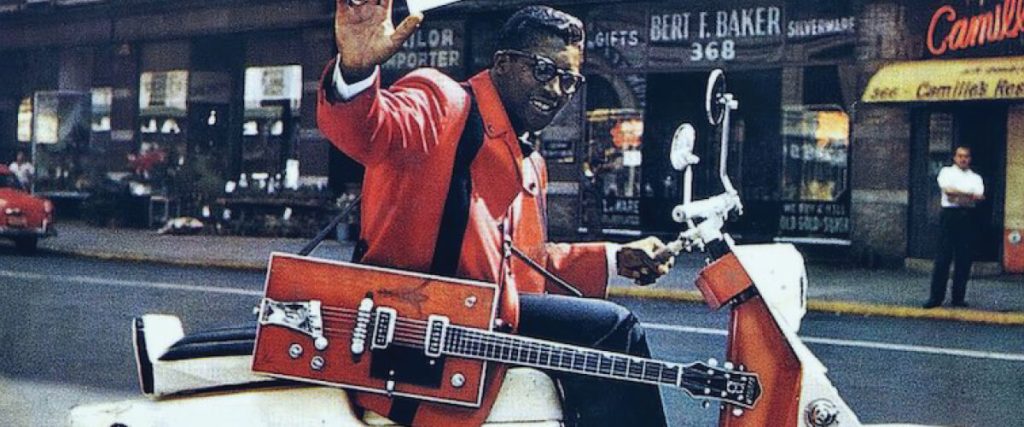
Bo Diddley played a key role in the transition from the blues to rock and roll. His use of rhythm and a signature beat, a simple five-accent hambone rhythm, is a cornerstone of hip hop, rock, and pop music.
Sis Rosetta Tharpe
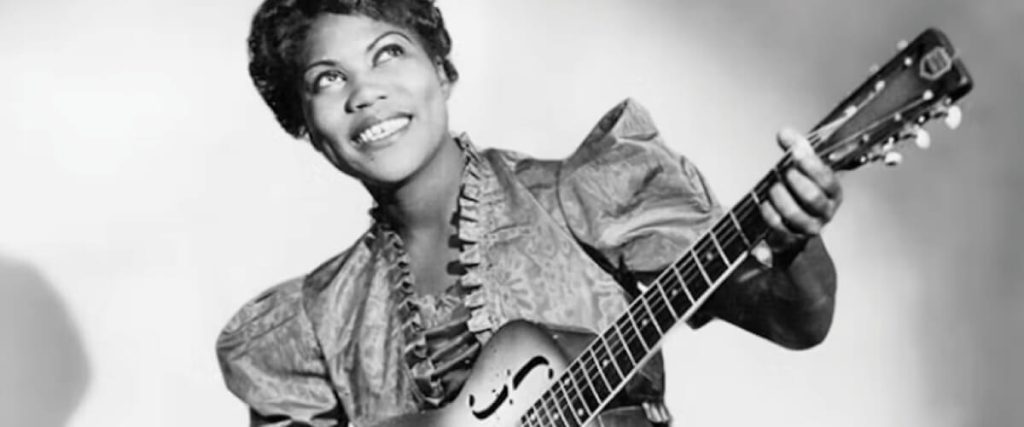
Sister Rosetta Tharpe’s guitar play blended with melody-driven urban blues, traditional folk arrangements and incorporated a pulsating swing that was a precursor of rock and roll.
Muddy Waters & Little Walter
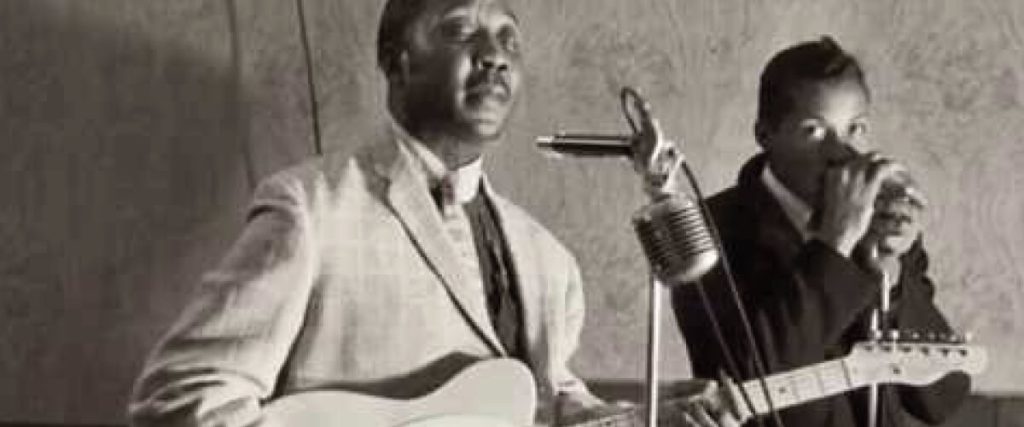
In the mid-1950s, Muddy Waters’ singles were frequently on Billboard magazine’s various Rhythm & Blues charts and he started to accumulate awards and introduce his Chicago style Blues to newer and younger audiences.
Ella Fitzgerald
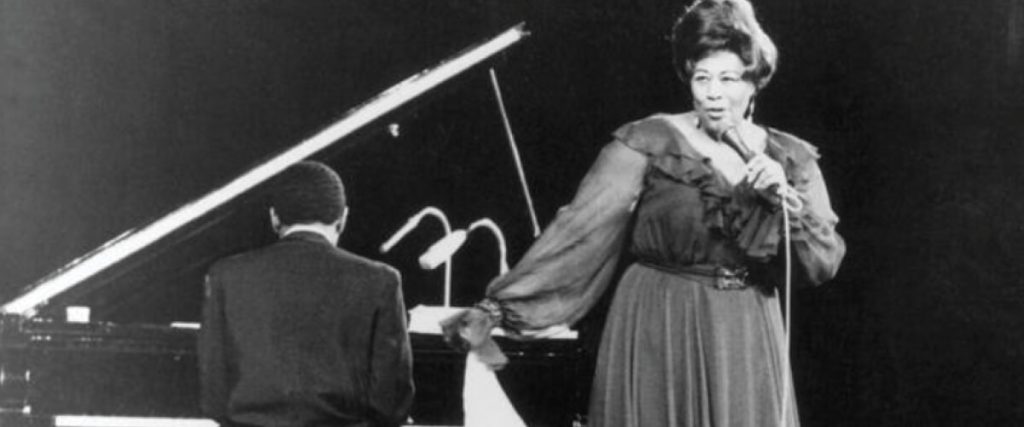
She was invited to performances with the band at Harlem’s Savoy Ballroom and then start recording songs. “Love and Kisses and “(If You Can’t Sing It) You’ll Have to Swing It” were hits but smash hit was “A-Tisket, A-Tasket” was the biggest-selling records of the decade.
Mahalia Jackson
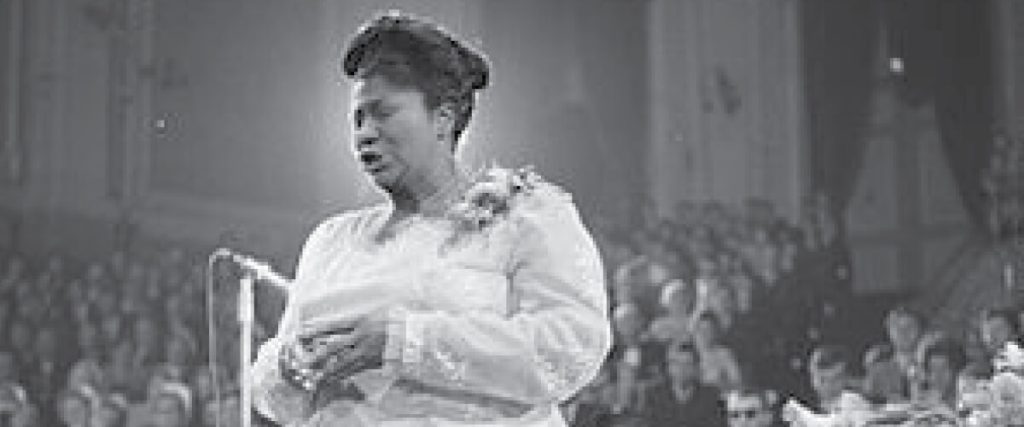
Mahalia Jackson Mahalia Jackson: The Queen of Gospel Region: New Orleans, LA (October 26, 1911 – January 27, 1972) Imagine the vibrant streets of New Orleans in 1911, where the rhythms of jazz and blues permeate the air. In this lively city, a legendary voice was born—Mahalia Jackson. She came into this world as the […]
Miles Davis
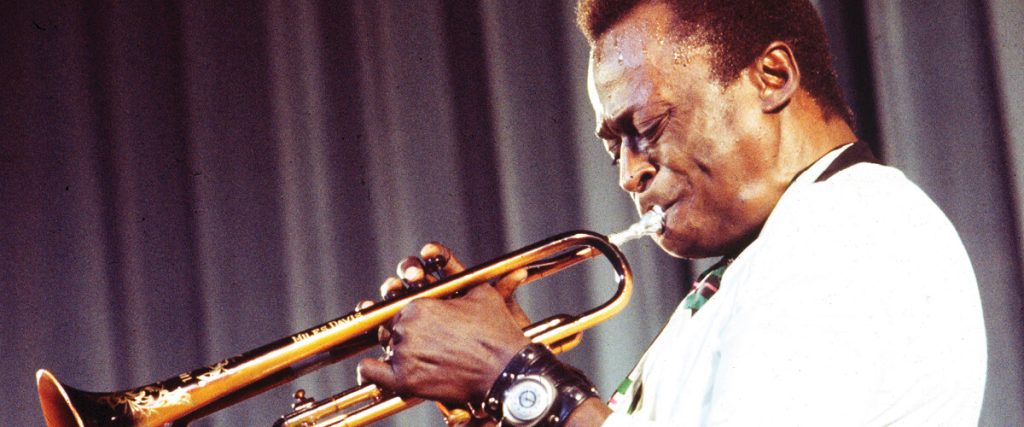
He performed sold-out concerts worldwide, while branching out into visual arts, film, and television work, and also received the Grammy Lifetime Acheivement Award in 1990
Dizzy Gillespie
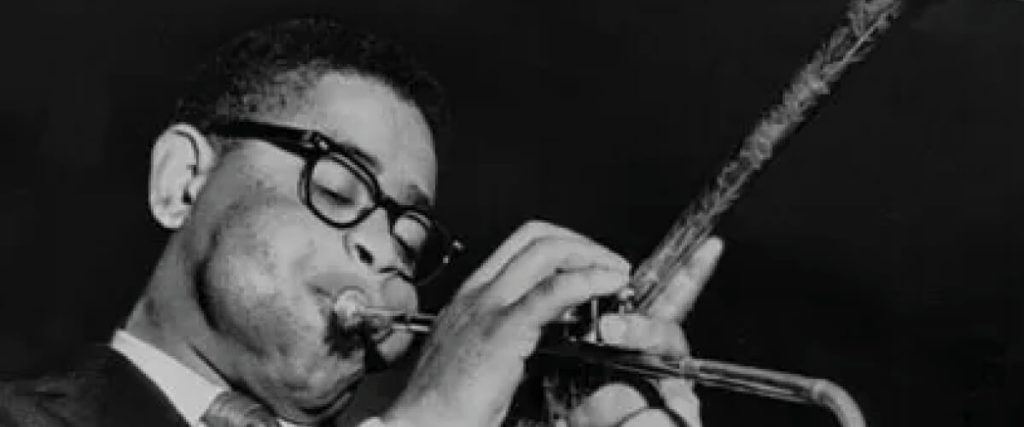
In the 1980s, Gillespie led the United Nations Orchestra for three years and in 1982, he was sought out by Stevie Wonder to play his solo in Wonder’s 1982 hit single, “Do I Do”.
Lil & Louis Armstrong
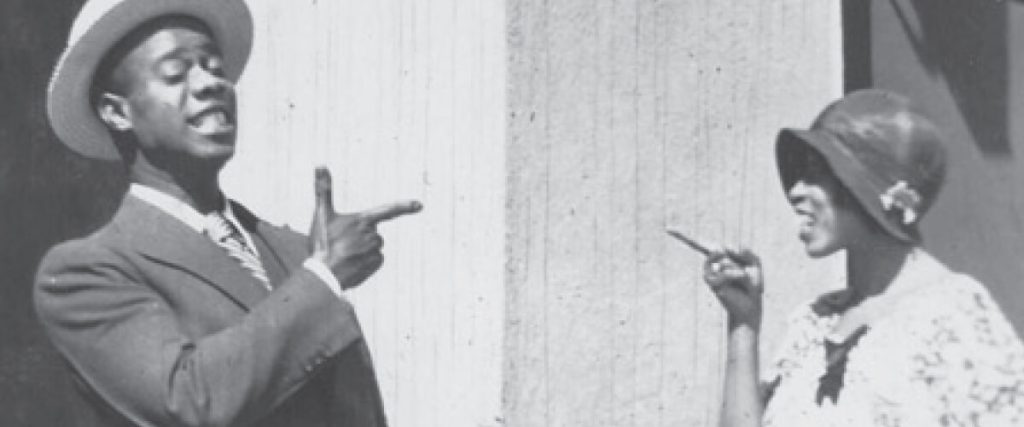
Though their marriage ended in 1931 they remained friends—their partnership reflected forever in the body of work they created together.
King Oliver
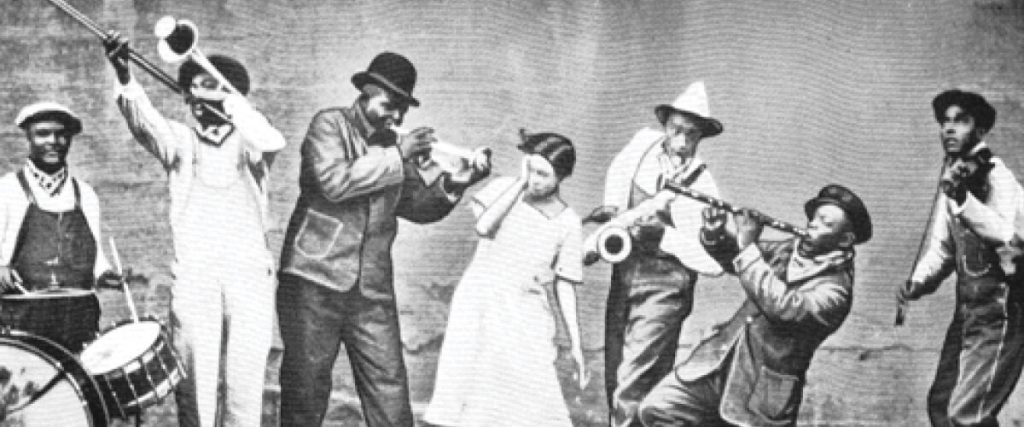
Oliver and his band played an instrumental role in popularizing jazz outside of New Orleans.
Ma Rainey
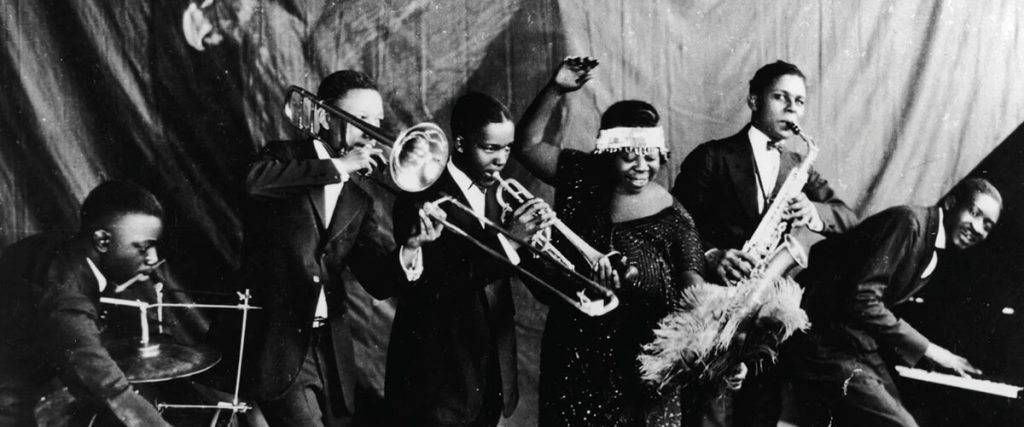
Over the next five years she made over 100 other recordings, which brought her fame beyond the South. She marketed as the “Mother of the Blues”. In 1924, Rainey recorded with Louis Armstrong, including on “Jelly Bean Blues”, “Countin’ the Blues” and “See, See Rider”.